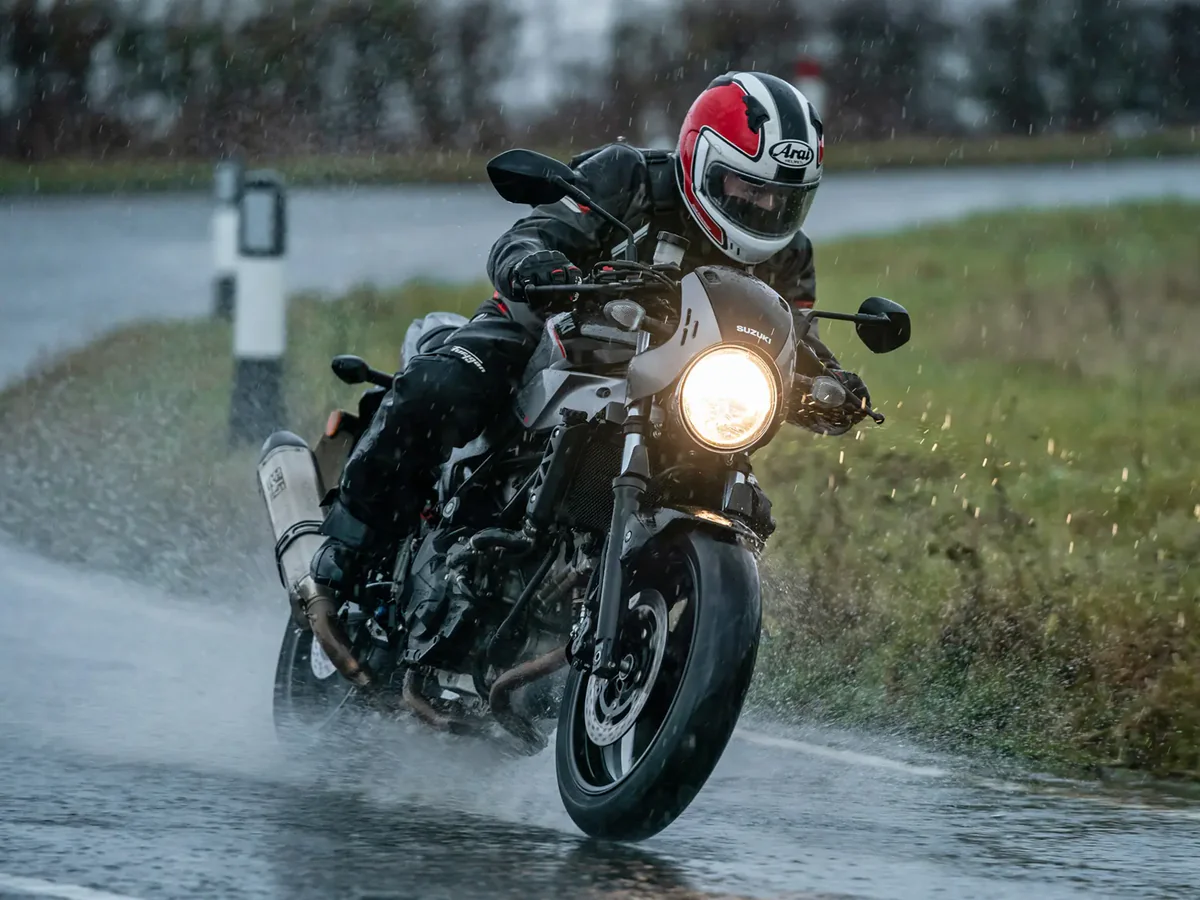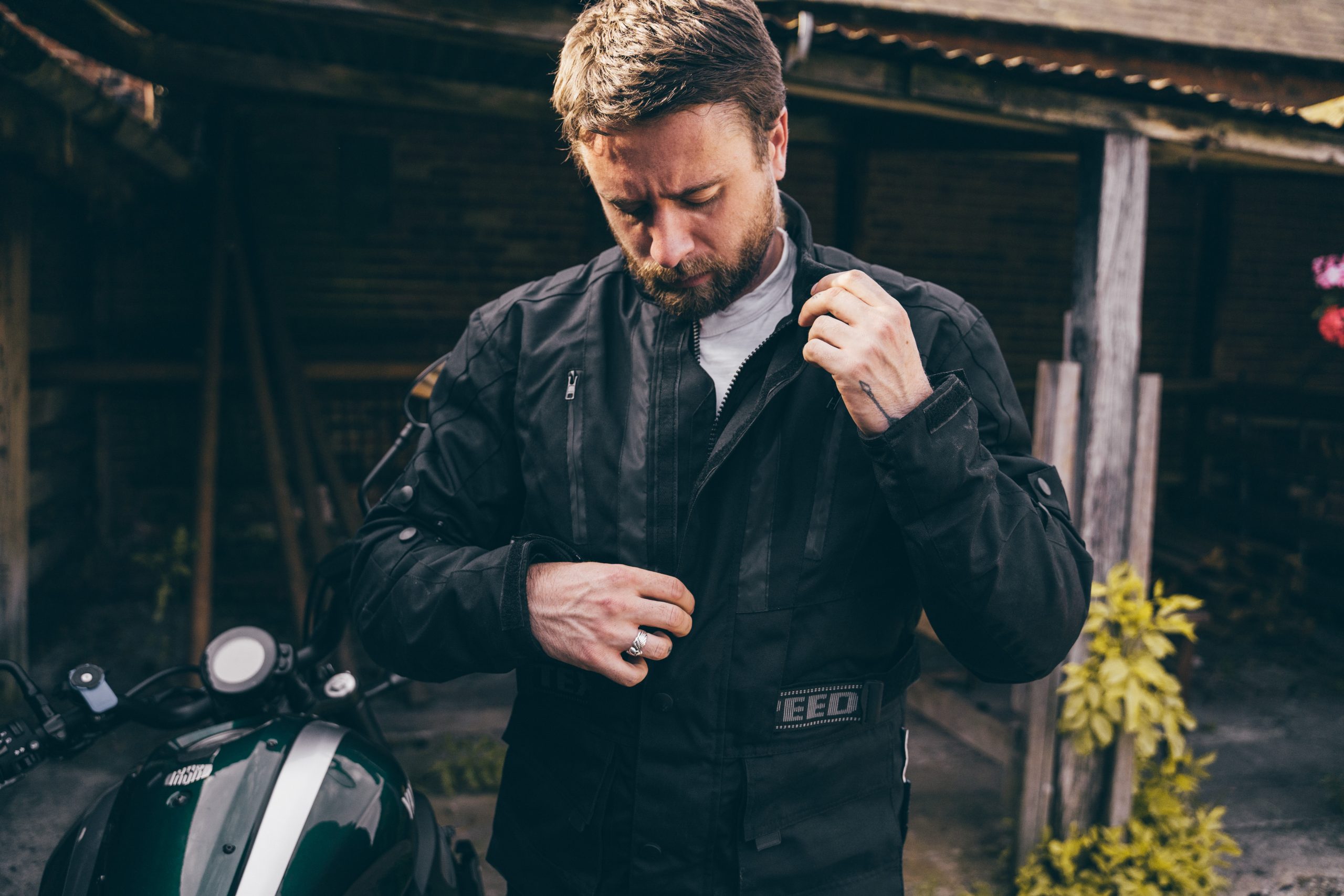

Motorcycle riding embodies freedom, adventure, and a deep connection to the open road. However, as the world becomes increasingly aware of environmental issues, the motorcycle community is also recognizing the importance of sustainability. Sustainable riding is about more than just reducing emissions—it encompasses the entire riding experience, including the gear and apparel riders choose. By embracing sustainable practices, riders can protect not only themselves but also the planet they cherish.
1. The Importance of Sustainability in Motorcycling
Motorcycling, while exhilarating, has its environmental footprint. From the emissions produced by motorcycles to the materials used in gear manufacturing, every aspect contributes to environmental impact. Sustainable riding seeks to minimize this footprint by adopting eco-friendly practices and making conscious choices that benefit both riders and the planet.
2. Eco-Friendly Materials in Motorcycle Gear
One of the most significant ways to promote sustainability in motorcycling is through the use of eco-friendly materials in gear and apparel. Traditional motorcycle gear often relies on materials like leather and synthetic fabrics, which can have substantial environmental impacts.
- Recycled Fabrics: Many modern motorcycle jackets, pants, and accessories are now made from recycled materials such as polyester from plastic bottles. These materials reduce waste and lower the demand for new resources.
- Organic and Natural Fibers: Organic cotton, hemp, and bamboo are gaining popularity in motorcycle apparel. These fibers are renewable, biodegradable, and require fewer chemicals and water during production compared to conventional materials.
- Sustainable Leather Alternatives: For riders who prefer leather, there are emerging alternatives made from plant-based sources or reclaimed leather, reducing the reliance on animal products and the environmental impact of leather tanning processes.
3. Ethical Manufacturing Practices
Sustainability extends beyond materials to the manufacturing processes themselves. Ethical manufacturing ensures that products are made in ways that are environmentally responsible and socially equitable.
- Fair Labor Practices: Ensuring that workers involved in the production of motorcycle gear are treated fairly and work in safe conditions is a crucial aspect of sustainability. Brands committed to ethical manufacturing prioritize fair wages, safe working environments, and workers’ rights.
- Low-Impact Production: Implementing energy-efficient manufacturing techniques and reducing water usage can significantly lower the environmental footprint of motorcycle apparel production. Additionally, minimizing waste through better resource management and recycling initiatives contributes to a more sustainable industry.
4. Durability and Longevity of Gear
Sustainable riding also emphasizes the importance of durability and longevity in motorcycle gear. High-quality, long-lasting apparel reduces the need for frequent replacements, thereby decreasing overall consumption and waste.
- Robust Construction: Investing in well-constructed gear made from durable materials ensures that it can withstand the rigors of riding for many years. Features like reinforced stitching, abrasion-resistant fabrics, and replaceable armor contribute to the longevity of motorcycle apparel.
- Timeless Design: Classic and versatile designs not only remain stylish over time but also encourage riders to keep their gear longer. Avoiding fast fashion trends in favor of timeless pieces supports sustainability by reducing the frequency of new purchases.
5. Recycling and Upcycling Initiatives
Recycling and upcycling are effective ways to manage the end-of-life stage of motorcycle gear. By repurposing old apparel, the lifecycle of materials is extended, and waste is minimized.
- Recycling Programs: Some brands offer take-back programs where riders can return old gear for recycling. These programs ensure that materials are properly processed and reused, reducing the need for new resources.
- Upcycling Projects: Upcycling involves transforming old gear into new, functional items. For example, old leather jackets can be repurposed into bags or accessories, giving them a second life and reducing waste.
6. Innovative Sustainable Technologies
Advancements in technology are paving the way for more sustainable motorcycle gear. Innovative solutions are being developed to enhance both performance and environmental responsibility.
- Water-Based Dyes: Traditional dyeing processes can be harmful to the environment. Water-based dyes offer a more sustainable alternative, reducing the use of toxic chemicals and minimizing water pollution.
- Biodegradable Materials: Research into biodegradable materials aims to create gear that breaks down naturally without leaving harmful residues. These materials ensure that even if gear is disposed of, it has a minimal impact on the environment.
- Smart Textiles: Integrating smart technology into motorcycle gear can enhance safety and functionality while promoting sustainability. For instance, textiles that regulate temperature or provide real-time feedback on environmental conditions reduce the need for additional products and enhance the overall riding experience.
Conclusion: Riding Towards a Sustainable Future
Sustainable riding is a holistic approach that integrates environmental responsibility into every aspect of motorcycling, from the gear riders wear to the way they maintain their motorcycles. By prioritizing eco-friendly materials, ethical manufacturing, durability, and innovative technologies, the motorcycle community can significantly reduce its environmental footprint while enhancing the riding experience.